
The main signs of furnace penetration (molten metal leakage due to furnace lining damage) in induction furnace include abnormal operating sounds, abnormal cooling system parameters, and visible changes in the furnace body, as detailed below:
Core Signs of Furnace Penetration
Abnormal Sounds
“Pop-pop” sound from the coil: Indicates a short circuit between turns of the induction coil, which may cause breakdown and water leakage, ultimately leading to furnace penetration.
“Papping” sound from the furnace bottom: Indicates defects in the quality of the refractory material (such as silica sand) at the furnace bottom or high moisture content, making it susceptible to penetration by high-temperature molten iron.
Abnormal Cooling System Parameters
Sudden increase in water temperature difference or excessive heat flow intensity: A sharp increase in the heat absorbed by the cooling water reflects localized high-temperature erosion of the furnace lining.
Sudden increase in outlet water temperature or water interruption: Cooling failure accelerates furnace lining damage, requiring immediate shutdown and inspection.
Visible Changes in the Furnace Body
Furnace shell got hot or smoke comes out from cracks: High-temperature molten iron leakage causes the furnace body to overheat, possibly accompanied by gas leakage. Abnormal tapping: Reduced molten iron volume, slag being tapped before iron, or molten metal splashing (during abnormal operation).
Alarm device triggering: If the medium-frequency furnace with a capacity of 1 ton or more is equipped with a furnace leakage monitoring system, exceeding parameter limits (such as leakage current alarm) will trigger an interlock to cut off the power supply.
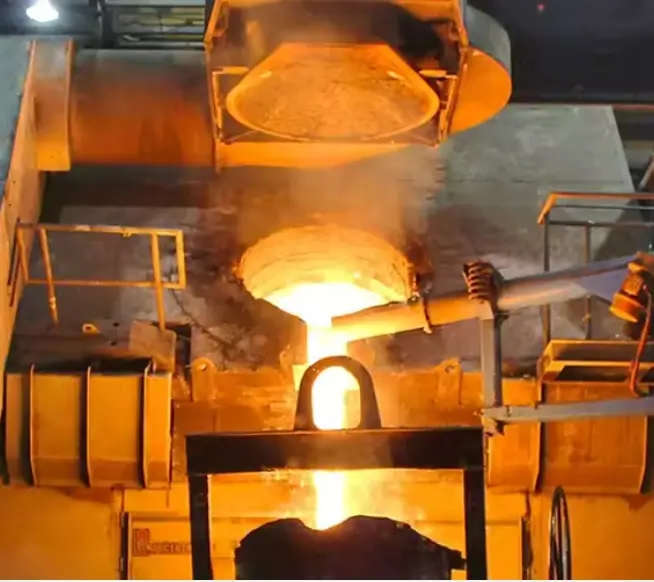
Why are the walls of furnaces refractory?
The internal walls of furnaces and process heaters are insulated with refractory lining, helping to conserve heat loss and maintain the internal temperature inside the heater. In addition, the external casing of the heater needs to be cool enough for operating staff to access safely.
What is the refractory lining of a furnace?
Refractory linings protect many industrial operations that need high temperatures. These layers protect furnaces, kilns, reactors, and incinerators from high heat. They allow efficiency, safety, and operational continuity.
What is the purpose of the refractory?
Refractory materials are useful for the following functions: Serving as a thermal barrier between a hot medium and the wall of a containing vessel. Withstanding physical stresses and preventing erosion of vessel walls due to the hot medium. Protecting against corrosion.
What is the function of the refractory in a furnace?
Refractory materials are inorganic (not from living material), non-metal substances that can withstand extremely high temperatures without any loss of strength or shape. They are used in devices, such as furnaces, that heat substances and in tanks and other storage devices that hold hot materials.
