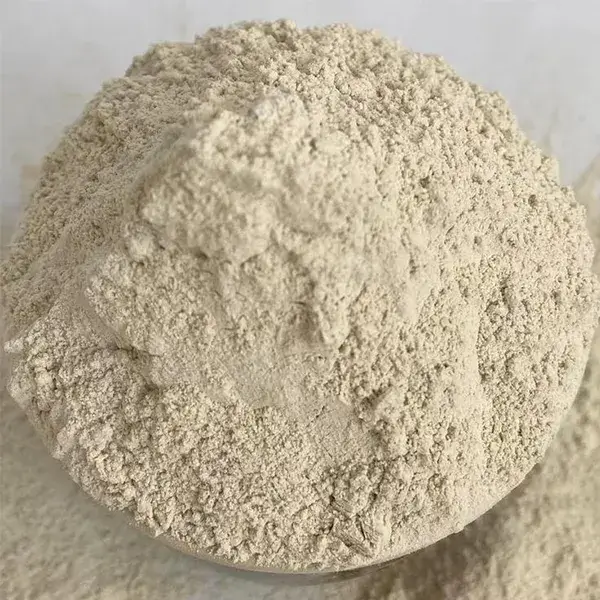
The classification of unshaped refractories varies depending on the classification method, such as by material or by binder. However, unshaped refractories are usually classified according to different construction methods, and can generally be divided into the following categories:
- Refractory Castable: This is a non-adhesive mixture composed of aggregates, fine powder, and binders. Castables are typically delivered dry. Water or other liquids are added during construction to achieve the necessary molding conditions. Construction is carried out by pouring. After molding, the castable requires a curing period to gain sufficient strength, followed by baking to prepare it for use. Based on the construction method and material flowability, castables can be classified as follows:
1) Vibration-molded castables: These have poor material flowability and require mechanical vibration to flow and fill the mold.
2) Self-flowing castables: These have good material flowability and can fill the mold using gravity.
3) Pumped castables: Sometimes called pump-filled castables, these have excellent flowability and anti-segregation properties. They can be transported over long distances to the construction site using a slurry pump, and the material can effectively fill the mold.
Besides classification by construction method, castables can also be categorized by the type and quantity of binder, including low-cement, ultra-low-cement, cement-free, cohesive-bonded, and phosphate-bonded castables.
- Ramming Mix: Ramming mixes are also composed of aggregates, fine powder, binders, and necessary liquids. They are monolithic refractories applied by ramming and require drying after application to achieve strength.
- Molded Refractory (Plastic Refractory): Molded refractory consists of aggregates, fine powder, binders, and necessary liquids. This type of refractories requires good plasticity and other workability, and can be used directly in its delivered state. Molded refractory is generally applied by manual or mechanical ramming and requires natural drying or baking to achieve strength after application.
- Gunning Refractory (Gunning Material): Gunning material refers to refractories that can be applied using a gunning method. Its material composition is also aggregate, fine powder, binder, and necessary liquid. The spraying method generally involves using a high-speed airflow to propel the raw material to the application site, followed by drying or baking to achieve strength. Alternatively, a method utilizes a flame from a nozzle to heat the material to a molten or semi-molten state before spraying it onto the application site.
- Coating (coating refractory): Refers to monolithic refractory materials that can be applied to the application site manually or mechanically.
- Joining materials (joining refractory): Applyed through coating, impregnation, grouting, etc., for building and bonding refractory products.
- Dry mix (dry vibratable refractory): Monolithic refractory materials that can be applied in a dry state by vibration or tamping. These materials often contain a temporary binder and are demolded after gaining strength through baking.
- Refractory material injection mix: refers to a mixture that can be applied using a special injection machine.
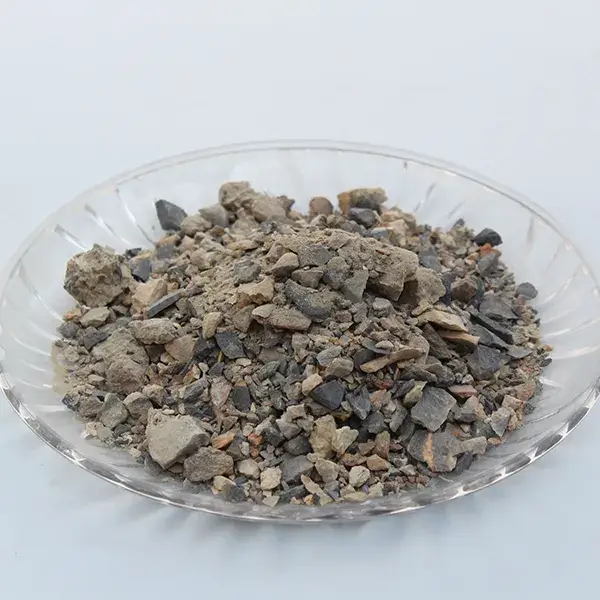
More details about refractory castable
What is castable in refractory?
Refractory castables are unshaped refractory materials that can be mixed on-site with water and cast into virtually any form. They consist of carefully graded refractory aggregates, hydraulic or chemical binders, and performance-enhancing additives.
What is the difference between castable and refractory plastic?
The biggest difference between refractory plastics and castables is the combination method, the binder used by refractory plastics is mostly neutral materials, and these materials have a strong ability to resist acid and alkali erosion. 5. In construction, refractory plastic has more advantages.
What is the difference between castable refractory and fire brick?
Composition: Refractory bricks, including SiC refractory bricks, are typically made from materials like silicon carbide, alumina, zirconia or are containing a higher amount of mullite. Fire bricks, on the other hand, are primarily composed of clay minerals and alumina or mullite in lower quantities.
How to use castable refractory?
Castable refractory is also simply mixed in a wheel barrow with a mason’s hoe. It can be bought commercially or homemade. All you have to do is add water. Getting the water ratio right is the most difficult part; too much water may cause it to shrink and crack.
What exactly is refractory material?
Refractory materials are inorganic (not from living material), non-metal substances that can withstand extremely high temperatures without any loss of strength or shape. They are used in devices, such as furnaces, that heat substances and in tanks and other storage devices that hold hot materials.
How are refractory materials made?
These kinds of refractories are produced using operations that release chromium compounds, including ore crushing, grinding, material drying and storing, and brick burning and finishing. The drying, calcining, and fire processes of all types of refractory materials also release a variety of metals in trace quantities.