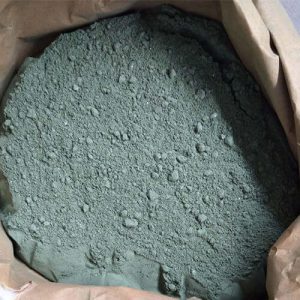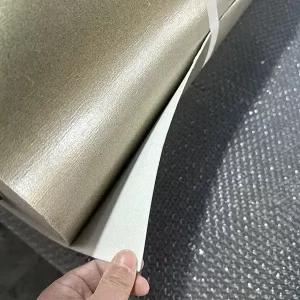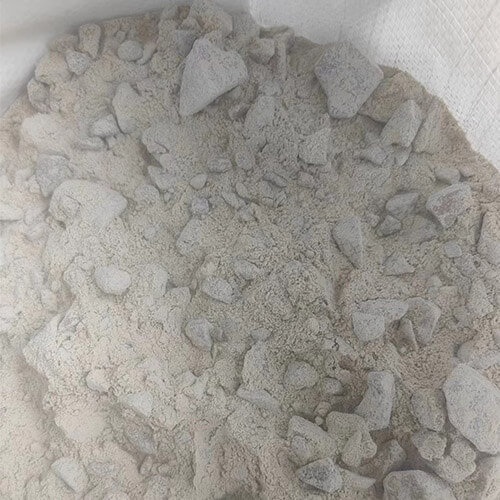
Silica Ramming Mass is an essential refractory lining material used in induction furnaces for melting and holding operations. Known for its high refractoriness, the material is capable of withstanding elevated operating temperatures, making it suitable for demanding furnace environments. Its thermal stability supports consistent performance under heat stress, while its resistance to corrosion from steel and slag contributes to extended lining life when used under proper operational conditions. The material’s electrical characteristics also aid in minimizing the risk of furnace short-circuiting during standard usage.
Silica ramming mass is a type of dry, granular refractory material made primarily from high-purity quartzite. It is used for lining the induction furnace, especially in the steel and metal melting process. The material is mixed, rammed, and sintered inside the furnace to create a strong and heat-resistant lining.
Silica Ramming Mass Advantages:
- Proper mixing of binder leading to optimum mixture.
- Less wastage, as mixing is done by machines.
- Imported Boric Acid is used to give best results.
- Consistent and longer lining and patching life.
- One less item in inventory.
Silica ramming mass mainly consists of silica (SiO2) as the primary component, along with a small percentage of binding agents. The purity and quality of silica used in the composition greatly affect the performance and durability of the ramming mass. Silica ramming mass is typically mixed with water or a binding agent to form a moldable or tappable mass. It is then compacted and rammed into the desired shape or lining. The ramming process ensures proper adhesion and compaction, creating a dense and durable lining. Silica ramming mass is a critical material for the steel and foundry industries, providing essential protection and efficiency in induction furnaces.